

The Complete Guide to Labrador Retriever Health Testing for Breeders: Essential Requirements and Best Practices
Health testing is a critical aspect of responsible breeding, particularly for Labrador Retrievers, a breed known for its friendly disposition and versatility. This comprehensive guide will delve into the essential health tests that breeders should consider to ensure the well-being of their dogs and the puppies they produce. Readers will learn about the importance of health testing, the specific tests recommended, and how these practices can prevent hereditary diseases. Additionally, we will explore the commitment of Berry Creek Labs to health testing and responsible breeding practices. By understanding these elements, breeders can make informed decisions that benefit both their dogs and prospective puppy buyers.
The article will cover the following key sections:
- the importance of health testing
- key phenotypic health tests
- recommended genetic health tests
- the role of health certifications
- Berry Creek Labs’ commitment to health testing
- best practices for implementing responsible health testing
Why Is Health Testing Crucial for Labrador Retriever Breeders?
Health testing is essential for Labrador Retriever breeders as it helps prevent hereditary diseases and ensures the overall health of the breed. By identifying potential genetic issues early, breeders can make informed decisions that promote ethical breeding practices. This proactive approach not only enhances the quality of the breeding stock but also contributes to the long-term health of the breed.
How Does Health Testing Prevent Hereditary Diseases in Labradors?
Health testing plays a vital role in preventing hereditary diseases in Labradors by identifying genetic predispositions to certain conditions. Common hereditary diseases in Labradors include hip dysplasia, elbow dysplasia, and progressive retinal atrophy. By utilizing specific testing methods, breeders can assess the risk of these conditions and make breeding decisions that minimize the likelihood of passing on genetic disorders. This not only protects the health of the puppies but also upholds the integrity of the breed.
What Are the Benefits of Health Testing for Puppy Buyers?
For puppy buyers, health testing provides significant benefits, including health guarantees and peace of mind. When breeders conduct thorough health tests, they can offer assurances regarding the long-term health of their puppies. This transparency fosters trust between breeders and buyers, as potential owners can feel confident that they are acquiring a healthy, well-bred dog. Additionally, health testing can lead to fewer veterinary expenses and a better quality of life for the dog.
What Are the Key Phenotypic Health Tests for Labradors?
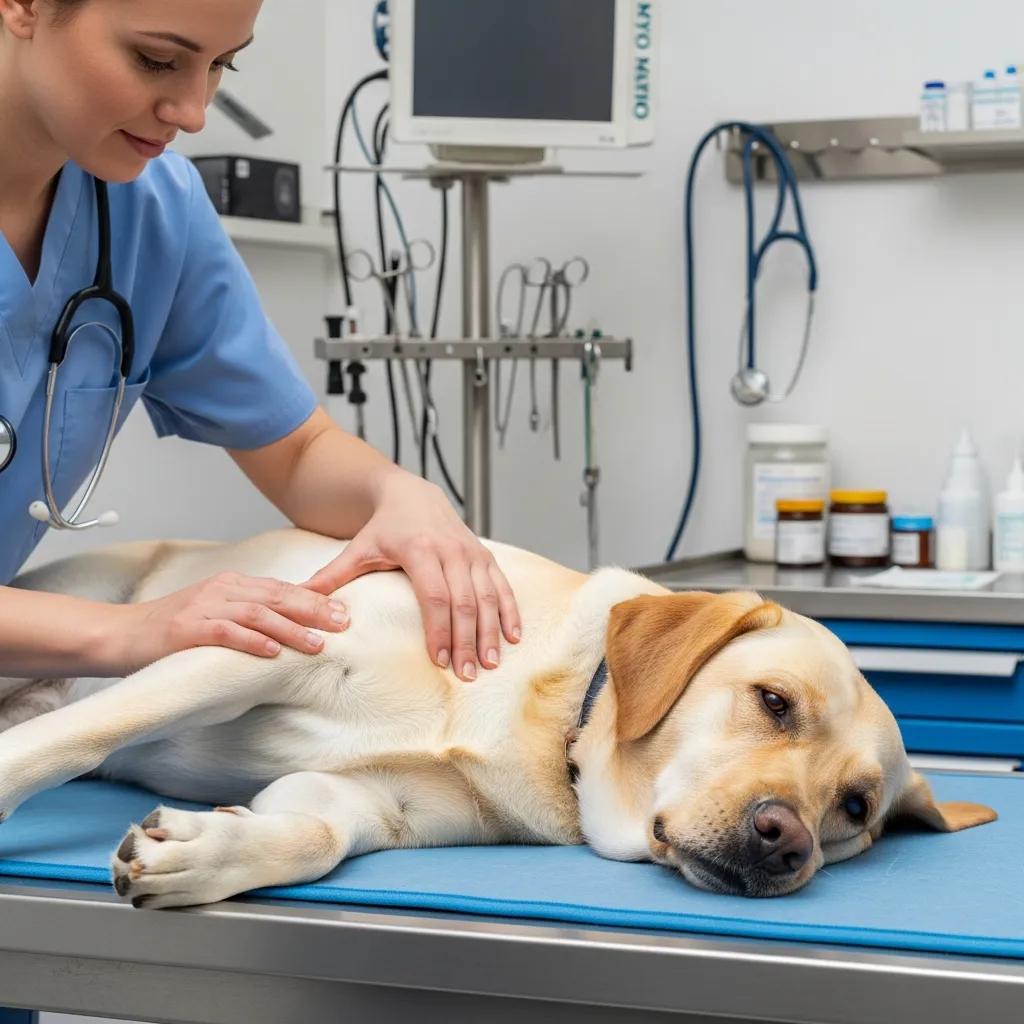
Phenotypic health tests are crucial for assessing the physical health of Labrador Retrievers. These tests help identify structural issues that could affect a dog’s quality of life and performance.
| Test Type | Purpose | Importance |
|---|---|---|
| Hip Dysplasia Screening | Evaluates hip joint conformation | Prevents arthritis and mobility issues |
| Elbow Dysplasia Testing | Assesses elbow joint structure | Reduces risk of pain and lameness |
| Eye Examinations | Detects hereditary eye conditions | Ensures visual health and quality of life |
How Is Hip Dysplasia Screening Performed and Interpreted?
Hip dysplasia screening involves radiographic evaluation of the hip joints to assess their conformation. Breeders typically submit X-rays to organizations like the Orthopedic Foundation for Animals (OFA) or the British Veterinary Association/Kennel Club (BVA/KC) Hip Dysplasia Scheme for evaluation. The results are interpreted based on a scoring system that indicates the degree of dysplasia present. Understanding these scores is crucial for making informed breeding decisions, as breeding dogs with poor hip scores can lead to a higher incidence of hip dysplasia in offspring.
What Should Breeders Know About Elbow Dysplasia Testing?
Elbow dysplasia testing is performed similarly to hip testing, using X-rays to evaluate the elbow joints. Breeders should be aware of the common findings associated with elbow dysplasia, such as osteochondritis dissecans (OCD) and ununited anconeal process (UAP). These conditions can lead to significant pain and mobility issues in affected dogs. By conducting elbow dysplasia testing, breeders can identify at-risk dogs and make breeding choices that promote healthier offspring.
Which Genetic Health Tests Are Recommended for Labrador Breeders?
What Is Progressive Retinal Atrophy and How Is the DNA Test Conducted?
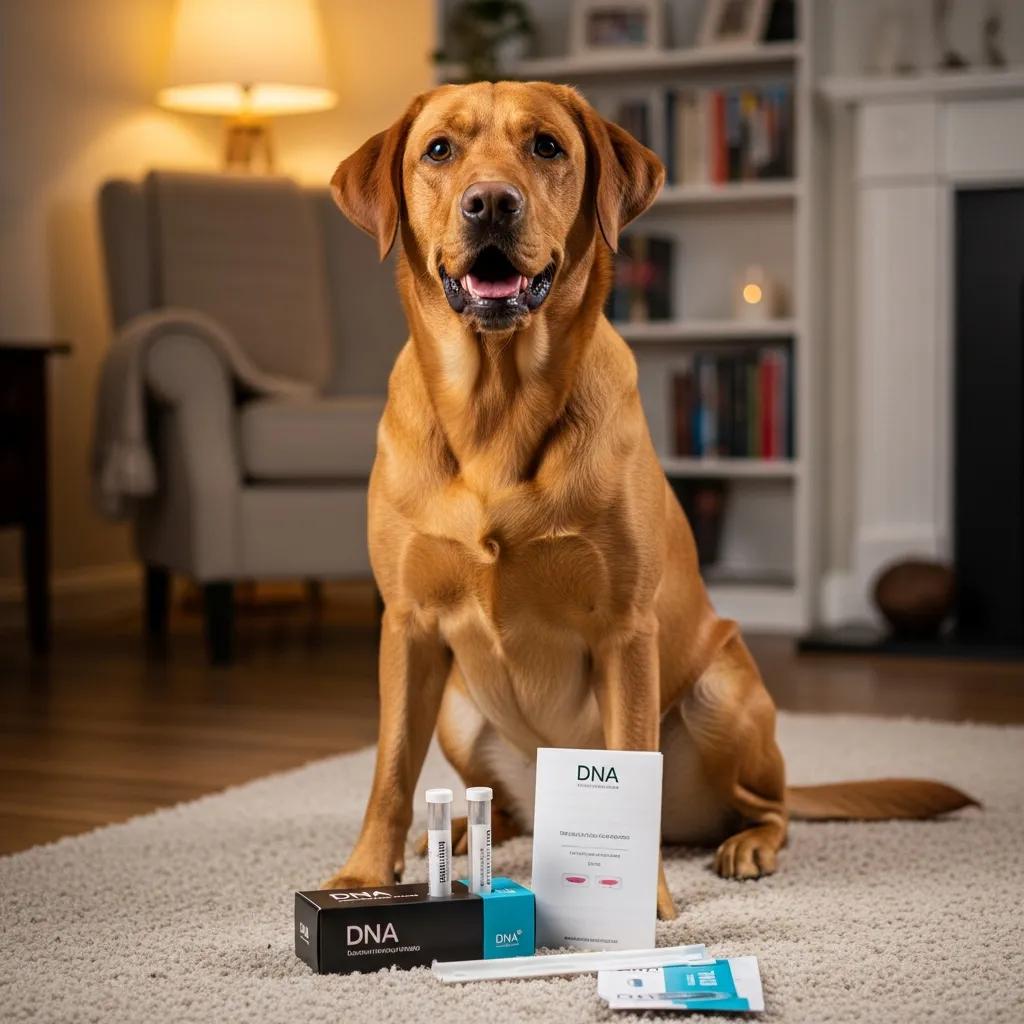
Progressive retinal atrophy (PRA) is a genetic condition that leads to vision loss in dogs. The DNA test for PRA involves a simple cheek swab or blood sample that is analyzed for specific genetic markers associated with the disease. Understanding whether a dog is a carrier of the PRA gene is crucial for breeders, as it allows them to make informed decisions about breeding pairs to prevent the condition in future litters.
How Do Tests for Exercise-Induced Collapse, Centronuclear Myopathy, and Skeletal Dysplasia 2 Inform Breeding Decisions?
Tests for conditions such as exercise-induced collapse (EIC), centronuclear myopathy (CNM), and skeletal dysplasia 2 provide critical information about a dog’s genetic health. EIC can cause sudden collapse during intense exercise, while CNM affects muscle function. Skeletal dysplasia 2 can lead to skeletal deformities. By screening for these conditions, breeders can avoid pairing dogs that may produce affected puppies, thereby enhancing the overall health of the breed.
How Do Health Certifications and Databases Support Responsible Labrador Breeding?
What Roles Do CHIC and OFA Certifications Play in Health Transparency?
CHIC and OFA certifications serve as benchmarks for health testing in dogs. These certifications indicate that a dog has undergone specific health tests and that the results are publicly available. This transparency allows potential puppy buyers to make informed decisions based on the health history of the breeding stock. Breeders who prioritize these certifications demonstrate their commitment to responsible breeding practices.
How Can Breeders Verify and Interpret Health Test Results?
Breeders can verify health test results through databases maintained by organizations like OFA and CHIC. These databases provide access to a dog’s health history, including test results and certifications. Understanding how to interpret these results is crucial for breeders, as it enables them to assess the health of their breeding stock accurately. Resources and guidelines are available to help breeders navigate this process effectively.
What Is Berry Creek Labs’ Commitment to Labrador Health Testing?
Which Specific Testing Protocols Does Berry Creek Labs Follow?
At Berry Creek Labs, we adhere to a rigorous health testing protocol that includes both phenotypic and genetic tests. Our breeding dogs undergo hip and elbow evaluations, as well as genetic testing for conditions such as PRA and EIC. This comprehensive approach allows us to select the healthiest breeding pairs, ultimately benefiting the puppies we produce.
How Does Rigorous Health Testing Benefit Our Puppies and Buyers?
The rigorous health testing protocols at Berry Creek Labs provide significant benefits for our puppies and their future owners. By ensuring that our breeding stock is free from hereditary diseases, we can offer health guarantees to puppy buyers. This commitment to health not only enhances the quality of our puppies but also fosters trust and confidence among prospective owners.
How Can Breeders Implement Responsible Health Testing Practices?
What Are the Updated 2024 Royal Kennel Club Health Testing Standards?
The Royal Kennel Club has updated its health testing standards for 2024, emphasizing the importance of comprehensive health evaluations for breeding dogs. These standards include recommendations for specific tests that breeders should conduct to ensure the health and well-being of their dogs. Staying informed about these updates is crucial for breeders who wish to maintain high breeding standards.
How Often Should Labradors Undergo Eye Examinations and Other Screenings?
Regular health screenings are vital for maintaining the health of Labradors. Eye examinations should be conducted annually by a board-certified veterinary ophthalmologist or a member of the European College of Veterinary Ophthalmologists (ECVO) or the American College of Veterinary Ophthalmologists (ACVO), while other screenings, such as hip and elbow evaluations, should occur at least once before breeding, typically after 12 months of age. Routine re-testing depends on the dog’s breeding status and health but is generally recommended every few years or as advised by veterinary specialists. Establishing a routine for health testing helps identify potential issues early, allowing for timely intervention and care.